
How to value a web browser?
There are 4-5 major web browsers globally. Web browsers drive traffic to content. Content generates leads and so on...
INVESTMENT
Praveen
8/14/20252 min read
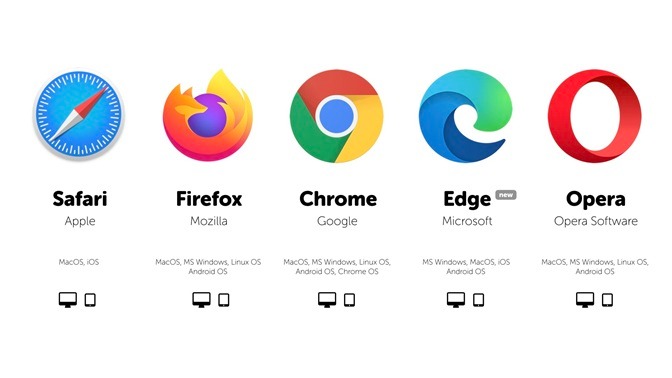
After the Internet Explorer episode more than two decades ago, someone is stirring up the web browser industry again.
AI traffic is driven by the powerful search boxes that have become the cornerstone of user-friendly application design. Browsers have also adopted the same principles. Majority of user inputs to browsers now is in the form of search queries rather than web addresses.
Search queries have become the starting point for both global and local commerce. So, they are very valuable. Look at examples:
Search queries guide eCommerce companies in predictive warehouse stockkeeping
Search queries generate almost10% of revenue at one of the largest smartphone companies
Search queries lead to more than 50% of revenues for some of the biggest social media brands
Search queries lead to almost 100% of revenue for a Big Tech company.
So, arriving at a valuation for a brand that receives a fair share of global search queries is quite an interesting task.
A web browser functions as a web search tool. It uses a search engine to generate results. Users can choose the search engine. But, the choice has gradually shifted to which browser rather than which engine. This may be a result of the default search engine that browsers ship with.
So, which default search engine a browser ships with is a good starting point to value a browser. The default search engine decides what searchers see.
Now, let's pause and look for validation from the industry dynamics. Google is the world's largest search result provider. Google's Android OS has a very large smartphone OS market share. This market share drives users to Google's search results. This is a very comfortable position to be in. Yet, media reports suggest Google spends a lot to acquire search queries from non-Google sources. This is sufficient validation.
Imagine, you own a browser. You can decide that customers will start seeing results from your search engine. It's a powerful yet slippery position to be in. Customers have choice. So, if your search engine does not generate useful results, users will switch to a different search engine or move to other browsers. If they change the search engine and continue using your browser, you are left with the task of having to keep the browser updated with all the latest internet protocols and web specifications. So, the price of the browser also depends on how much search engines are willing to pay for it.
How many search engines are there that can deliver useful results? With advancements in AI, there are now numerous search engines that deliver results that are more useful than the search results delivered by the best search engines of the world just a decade ago. How much will the search engine owner invest into AI refinement?
Innovations and refinements and ultimately long term user acceptance decide an industry's winners. Like all creatures, AI engines get better by doing what they do over and over again and learning over time. All companies understand this. To stay alive in a disrupted industry, old search engines need more and more search queries and not less.
So, in conclusion:
A web browser with a large install base is an invaluable tool that is not for sale from the perspective of a search engine owner.
For others, it is a cash cow that adds a figure in hundreds of billions to the company's value. And, companies that can afford to buy a popular web browser can be counted on fingers.
Image source: Interactive Powers’ elaboration
Solutions
Intuitive solutions for complex business problems.
Consulting
Expertise
+91 88972 99577
© 2025. SHPPRR. All rights reserved.